JACK TALBOT
The Importance of Composure—A Lesson Learned on the Golf Course that Translates to Life at Avon

In a recent Chapel Talk, senior Jack Talbot '26 shared a personal experience about how he learned the importance of composure in all aspects of life. Read his speech below:
One of the biggest differences between good players and great players isn’t skill—it’s composure.
In golf, you can hit great shots, you can have all the talent in the world, but if you can’t stay composed, it doesn’t matter. You can’t play well if you’re getting mad after every bad shot. You can’t lose your head, because the moment you do, the next shot usually gets worse.
 The best players aren’t the ones who never mess up. What separates them is how they respond to it. They stay steady. They don’t let one bad moment turn into five. They reset, they move on, and they don’t carry it with them.
I was recently playing a match where the other guy was talking a lot during the round—just constantly trying to get in my head. He would talk after each shot, just trying to throw me off and get a reaction.
At first, it worked more than I wanted to admit. It was aggravating, and I found myself reacting to it. Thinking about it more than I should have been. And in golf, once your focus shifts like that, it usually shows.
But a few holes after, I just learned to stop reacting. Not to him, not to anything around me. I just started focusing on what I could control—my shot, my routine, and what I needed to do next. Nothing else mattered in that moment except the ball in front of me.
And once that happened, composure was what drove me to finish the match the right way.
Not because I played perfect golf, but because I know I didn’t. I hit bad shots, everyone does. But I stayed steady while he didn’t, and that made the difference.
And that match is a pretty good example of how much composure actually matters. It’s easy to think the better player is just the one making fewer mistakes. But a lot of the time, it’s not about who plays perfectly—it’s about who can keep their head when things aren’t going perfectly. 
That applies not just to golf, but to our lives.
In anything you do—school, sports, and everyday life—there are always going to be things that pull at your attention. Distractions, pressure, setbacks, people, and expectations. Sometimes things don’t go the way you want them to, and sometimes they can pile up.
But you don’t really “lose” in those moments because of the situation itself. You lose because of how you respond to it. Whether you stay steady, or whether you let one moment turn into something bigger than it needs to be.
What I’ve realized is that staying composed doesn’t mean everything is going well. It just means you’re not letting what’s going wrong take control of how you think or what you do next.
Because no one is going to have a perfect round, or a perfect day, or a perfect stretch of anything. That’s just not how it works. But the people who handle things well are usually the ones who don’t let the last moment affect the next one.
Key Takeaway:
So, if there’s one thing I’d say, it’s this: be composed. Do your job in the moment you’re in, and don’t give anything outside of that more control than it deserves.
Because most of the time, it’s not the situation that beats you—it’s whether or not you let it take you out of your own game.
ABOUT THE AUTHOR
|
|
Jack Talbot Boarding Student from Cutchogue, NY Golfer, Big Brother, Head of School List |

More Blog Posts
|
|
Tips To Help First-year Students Settle In Quick At The Farm
The Avon Old Farms School community is a welcoming one, and we have plenty of tips for those just joining it.
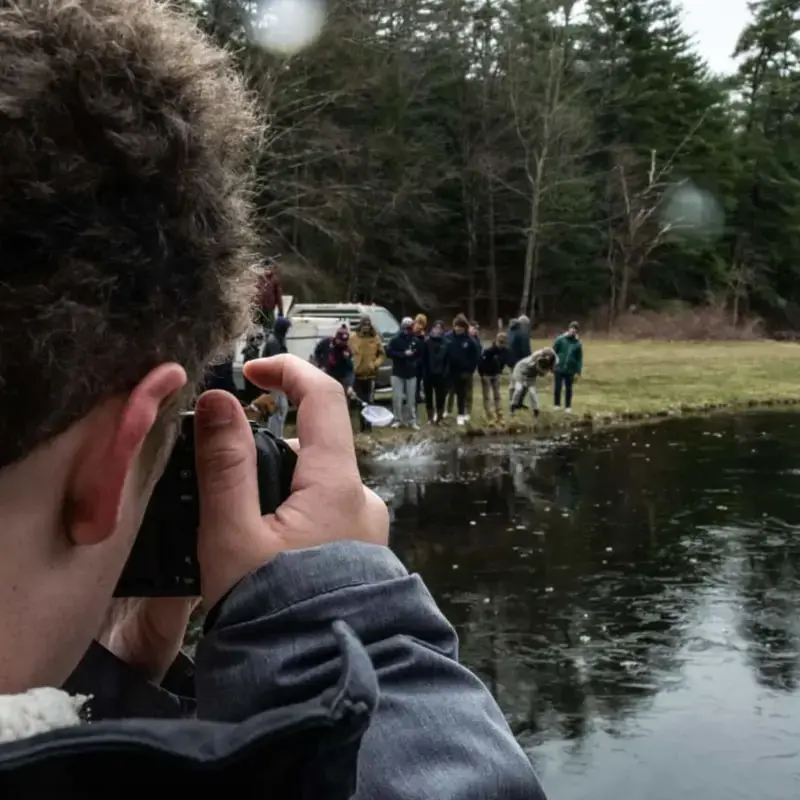
Intersession: Through the Eyes of a Student
Intersession is all about teaching Avonians new skills that can be used in everyday life or give them a preview of a career they might want to pursue in the future.
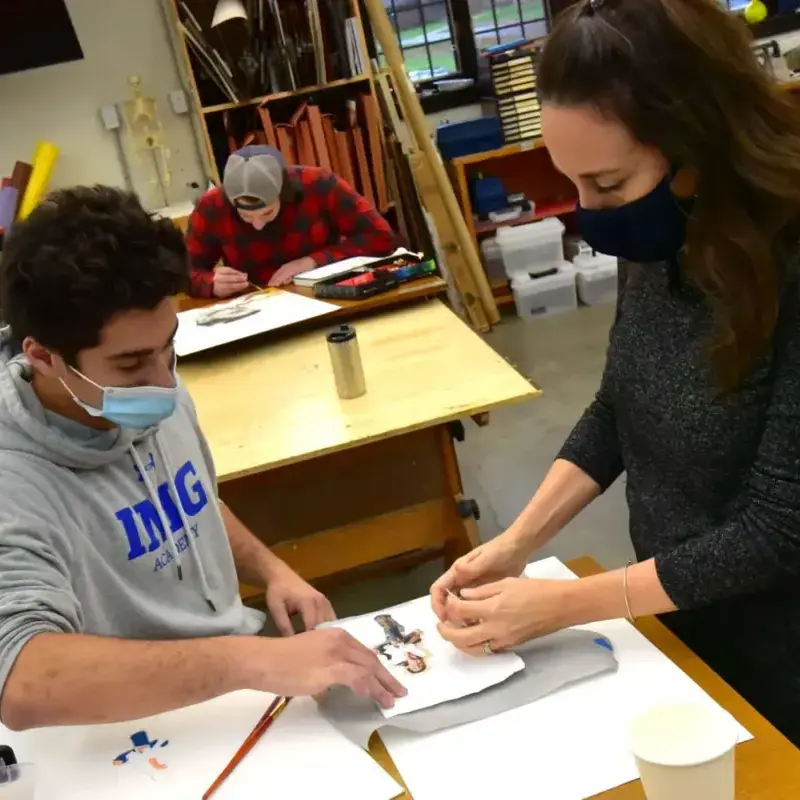
Sharing What Happens in Our Art Studio; Our Oasis
The space is open, inviting, light. Come in on a weekend and students are in the darkroom or at the painting easel in the back studio. Others head to the digital lab, or photograph their teammates in the lighting studio for a project due Monday.
The Private School Fair Pregame: How To Prepare Your Son For Maximum Impact
As the temperature drops and autumn approaches, so does a new admissions season.
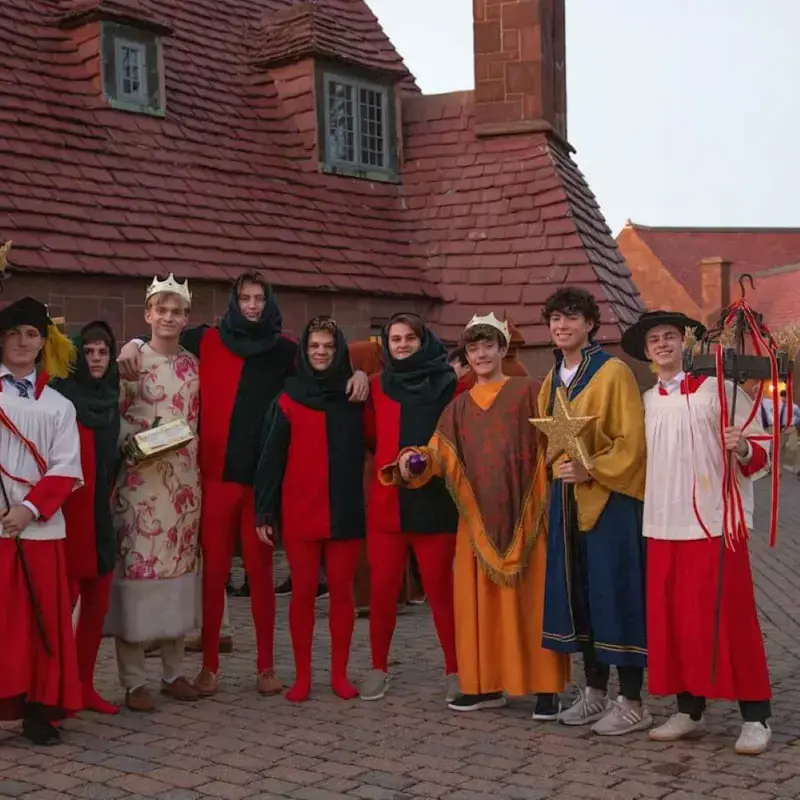
Avon's Most Beloved Holiday Tradition: A Student's Perspective
Student Ben Breslav defines the three pillars of the Boar's Head Festival to give insight into what makes this Avon tradition so special.
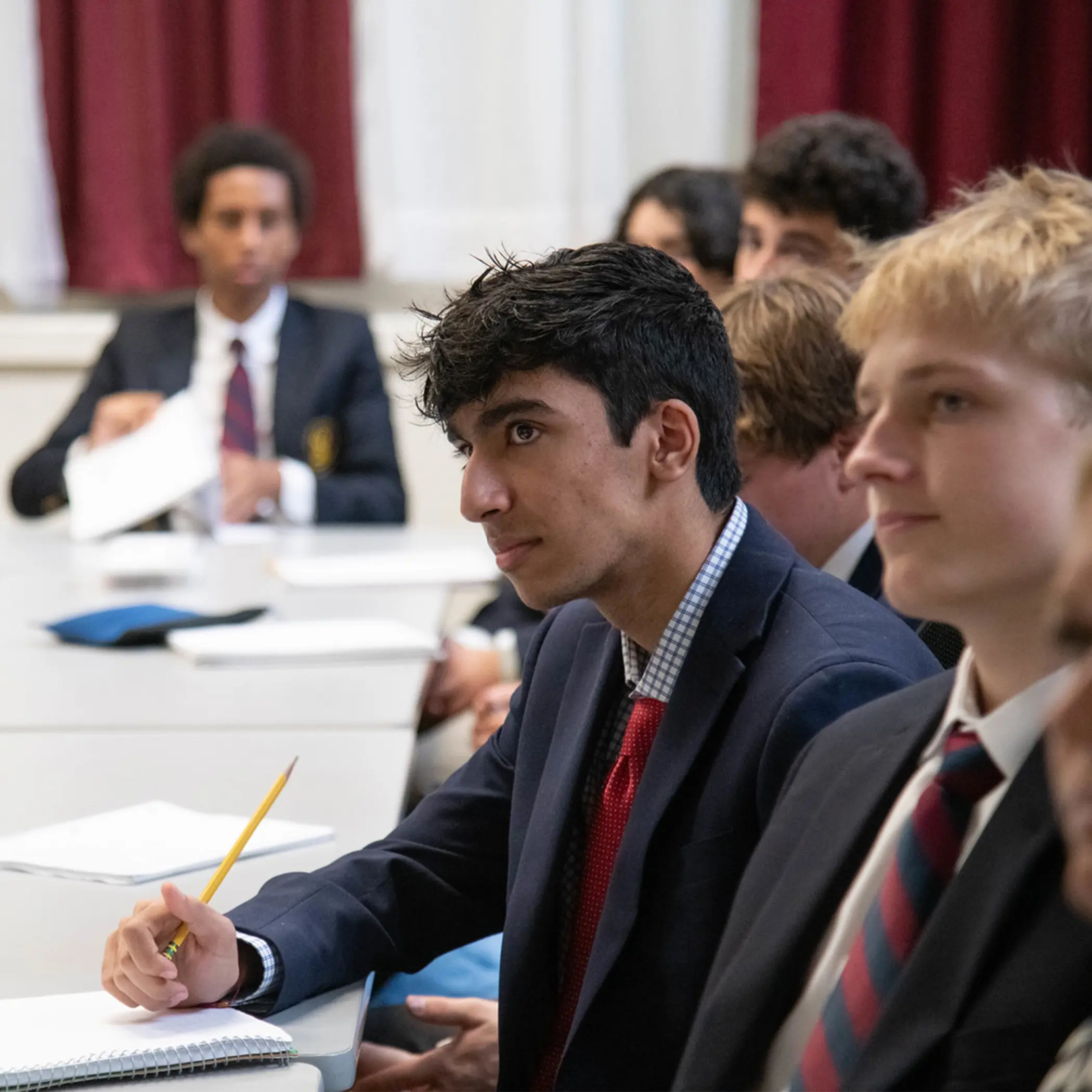
How having a positive mindset can help you bounce back from a bad grade
Student Peter Mok shares his experience of bouncing back after a tough math test
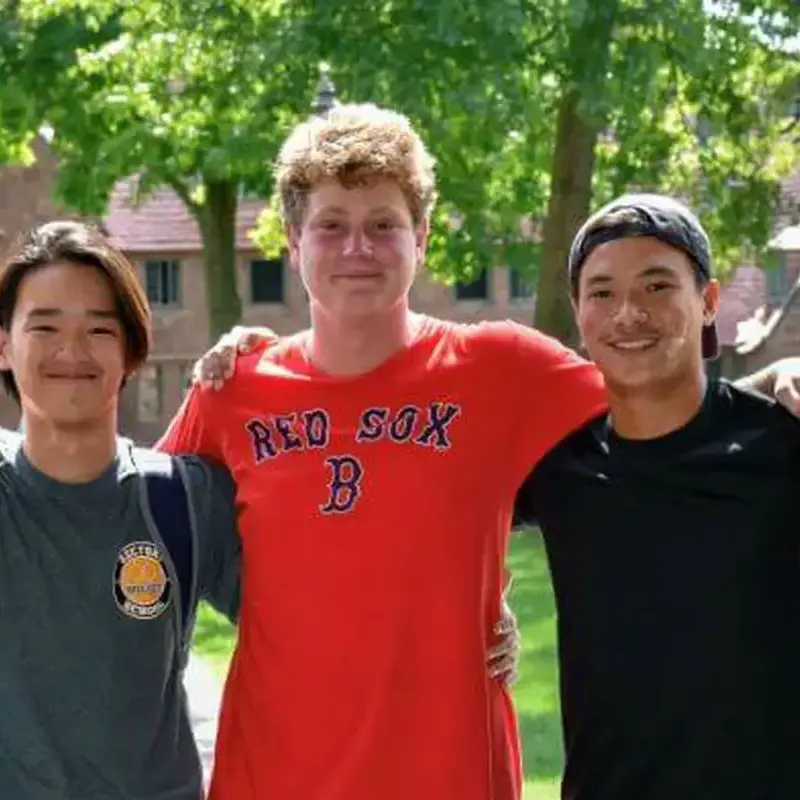
Boarding School Monitors: Just What DO They Do Anyway?
‘Prefect,’ ‘Proctor,’ ‘Resident Assistant.’ These are all titles that boarding school students earn every year.
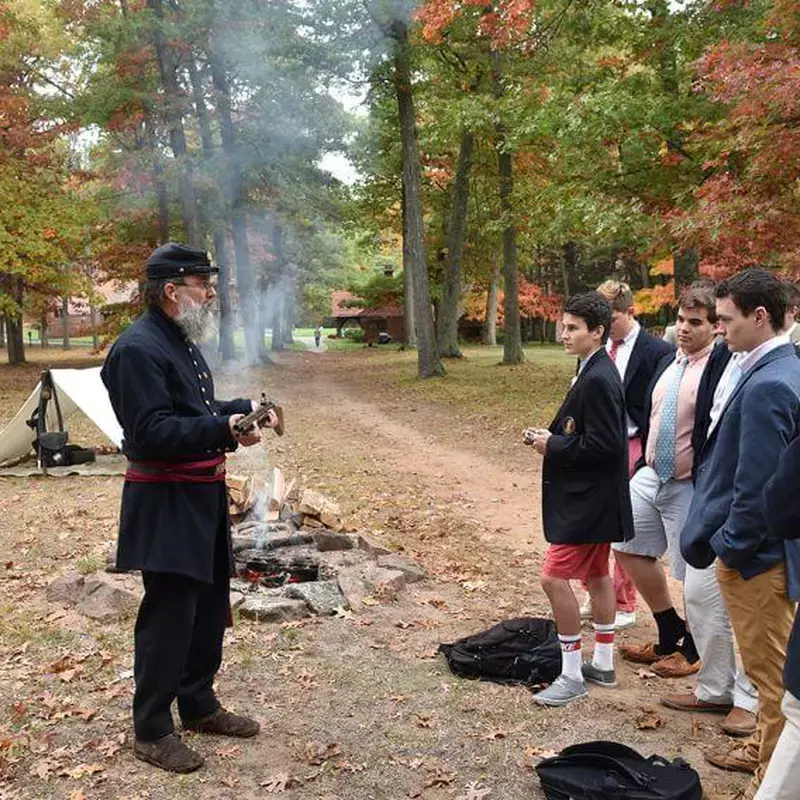
Is An All-Boys School The Right Answer For My Son?
To help our teachers better fulfill their commitment to each boy as he discovers his learning style, we have developed a teaching ideology built upon three specific pillars tailored to how boys learn.

Warning! Mind-blowing Artwork: What Happens When High School Boys Have Extra Time To Create
The Afternoon Independent Project Program is designed for students that show exceptional skill in a niche area such as photography, video, art, writing, or engineering.

You're Off to Boarding School for the First Time! Shake Off the Jitters With This Advice
Things to keep in mind as you prepare for your first few days at a boarding school.

The Avon Village: How Our Founder Created A Place that Fosters Brotherhood
‘Mrs. Riddle’s Village’ was planned to support life as a self-sustaining community, and now, more than 90 years after it first opened, it has given life to something else: an eternal brotherhood of all who pass through our famed arches.
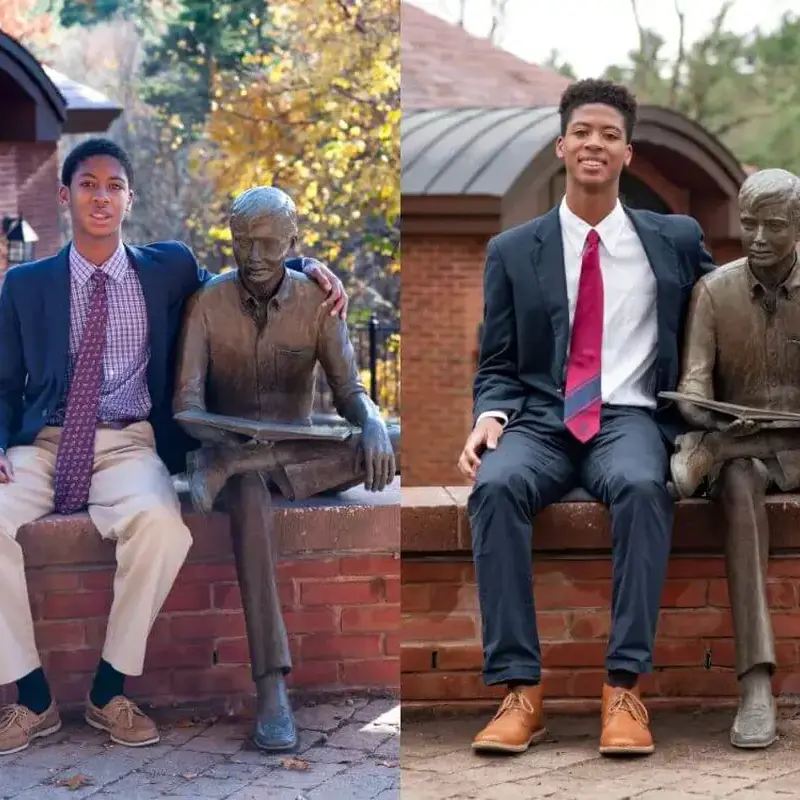
Four Life-Lessons Learned in Four Years
High school typically lasts four years; however, the lessons a boy takes away from the short time can extend out into his entire life.

The Successful Boarding School Experience: 8 Steps to Developing Your Routine
We've crafted some steps you can start with to nail down healthy daily habits.

Exploring The Private School Option: 5 Steps To Finding The Right Fit For Your Child
What is the best fit for my child? Uncovering the answer to this question requires patience, diligence, and a plan of action.
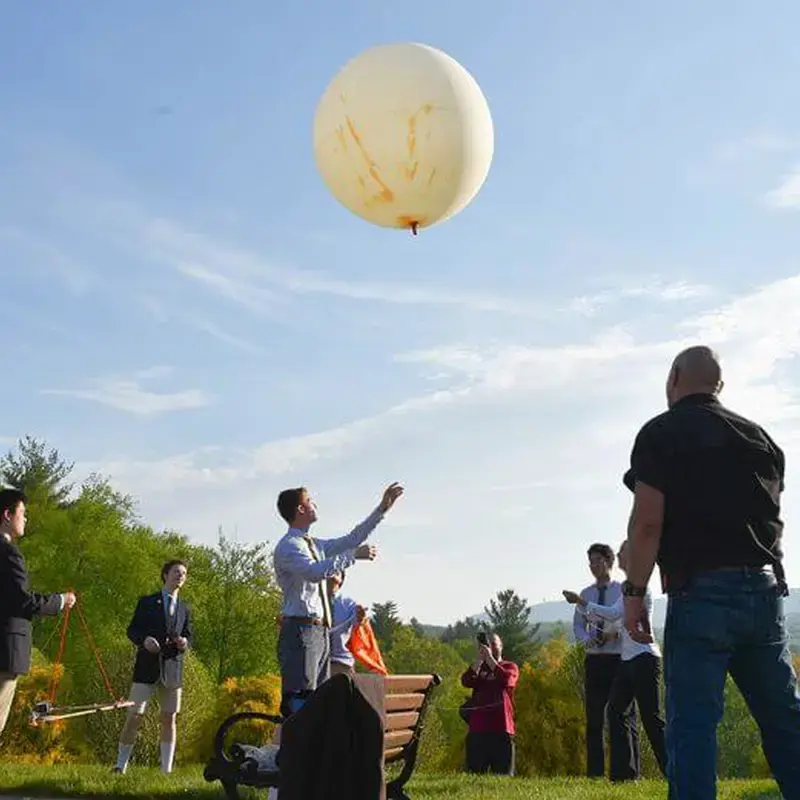
Find the Best Space to Stretch Yourself: How to Navigate Your School's Club Fair
It’s a new school year, and that means spreading your wings and trying something different. The perfect place to begin is at your school student activities fair.

A Day in the Life of a Dorm Parent
Students in Tiziana Rozzo's digital photography class took on a photojournalism project that tasked them with telling a story through images. In this particular project, John Jiang ’29 who learned all about the duty of one of his dorm parents.
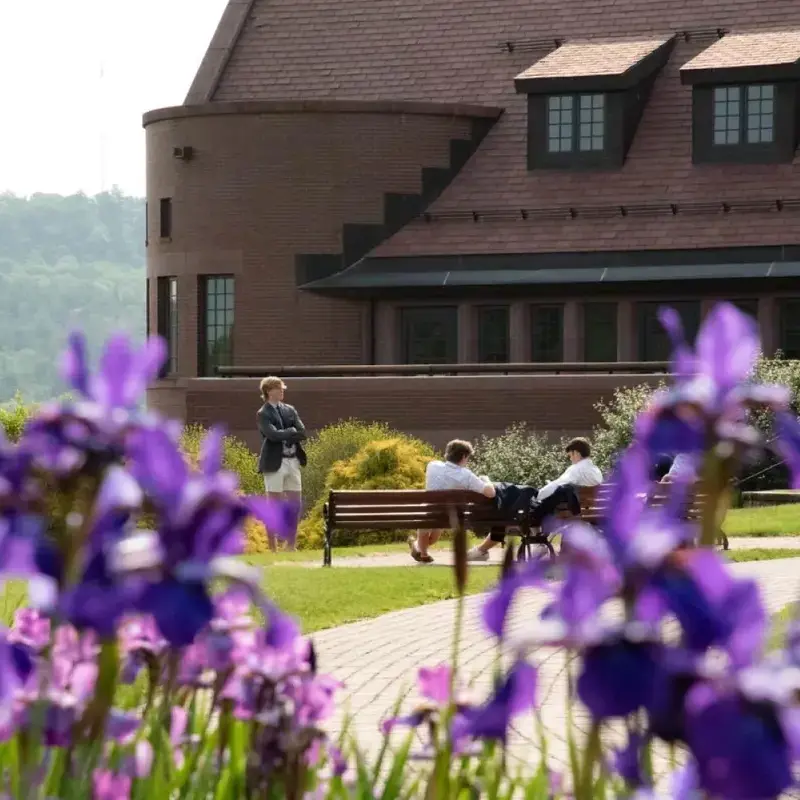
The Brotherhood In Bloom: Springtime On The Farm
There seems to be a consensus on campus that the spring season at Avon Old Farms is the favorite among students and faculty alike.

Football: Life Lessons in Brotherhood, Integrity, and Sportsmanship
Autumn in the Farmington Valley is certainly a sight to behold, but there are few things more synonymous with the season than high school football.

Emotions in Sports: How Perseverance Can Lead to Joy
Students in Tiziana Rozzo's digital photography class took on a photojournalism project that tasked them with telling a story through images. In this particular project, Jack McAuliffe ’29 explored the emotional highs and lows of athletics.
How the AIP Program Leverages the Alumni Network to Give Young Avonians a Leg Up
Generations of Avonians dedicate time and energy to ensuring that the brothers following in their footsteps have a guiding hand to help them find their way into the future, and that the very best opportunities become available through our network.
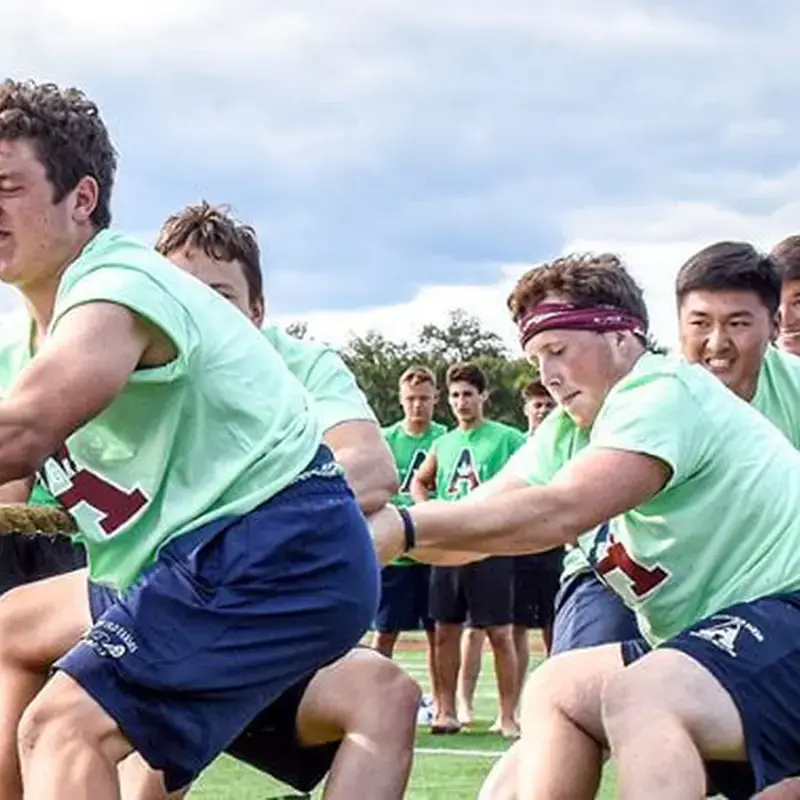
Top 5 Reasons Why An All-Boys School Is The Way To Go
Here are five reasons why the all-boys community at Avon Old Farms is advantageous for teenage boys around the world.
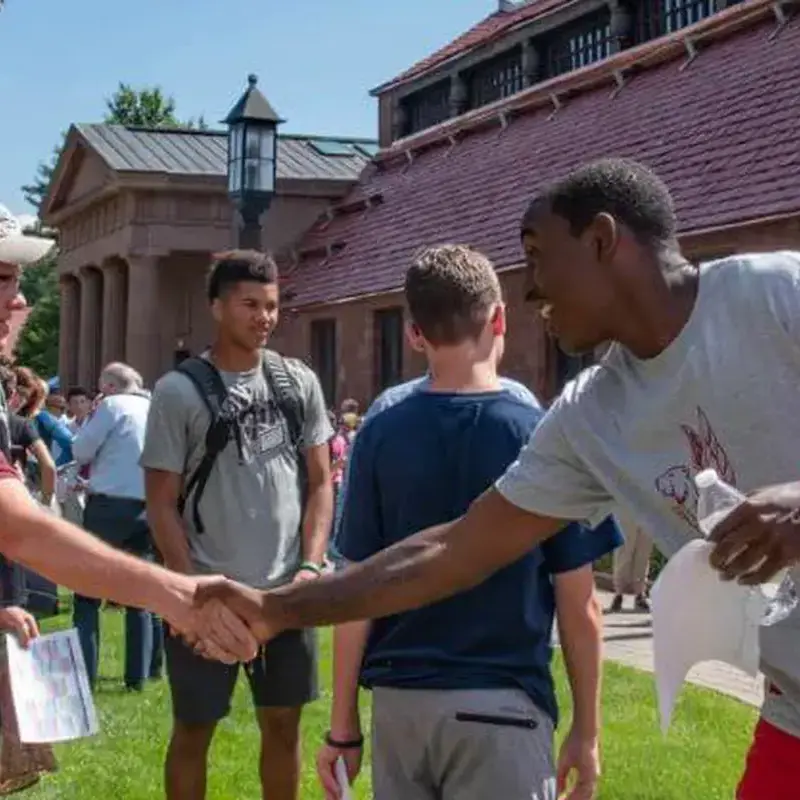
Quick Tips for First-time Boarding School Parents
Stories, know-how, and guidance from the experts in educating boys.

What I Wish I Knew Before Attending Avon
Students in Tiziana Rozzo's digital photography class took on a photojournalism project that tasked them with telling a story through images. In this particular project, we hear from Joachim Vogel ’26, who shared what he learned from his time as a student at Avon Old Farms.

A Tradition in the English Classroom Has A Modern Touch
For decades, the Avon Old Farms School annual poetry contest has been a special experience shared with all brothers.

The Audience Experience at AOF Athletic Events
Students in Tiziana Rozzo's digital photography class took on a photojournalism project that tasked them with telling a story through images. In this particular project, we hear from Ryan Yu ’29, who captured the experience and impact of being a spectator at an Avon sporting event.
Three Things First-Time Boarding School Students Need to Know
If this fall will be your first time going off to boarding school, I am sure you have faced several questions from friends and family over the past few weeks.

How to Rock Your Boarding School Essay
Tips on writing a standout essay for your private school application!
Sound Fundamentals: College Counseling at AOF
How the Pandemic Put an Emphasis on the Basics of College Admissions.

Awakening to the Overlooked: Why Boys (and Men) Should Write
To understand why I write, I should first tell you about my favorite lesson to teach: we read two Charles Simic poems and play a game at guessing their titles.
Helping Students Find (and Use) Their Moral Compass
At the founding of her school, Ms. Riddle wrote: The main purpose of Avon College is to develop in each boy a sound moral character.

Artificial Intelligence on the Rise, What Does it Mean for Avon Old Farms?
Artificial Intelligence, or AI, has always been a source of fascination. It’s been the subject of countless sci-fi stories and was always viewed as something that would become commonplace at some point in the future.

Interview Tips: A Quick Guide to Radiating Confidence
Some worthwhile tips that families could utilize when they go through the secondary school interview process.

The Importance of Composure—A Lesson Learned on the Golf Course that Translates to Life at Avon
Hear from senior Jack Talbot about how a lesson learned on the golf course translates to overall life at Avon Old Farms.
The Boy-Filled Classroom: What Teachers Notice and How They Respond
At Avon Old Farms, educators can celebrate the differences in students and recognize that they have a wide range of interests, abilities, and sensibilities.
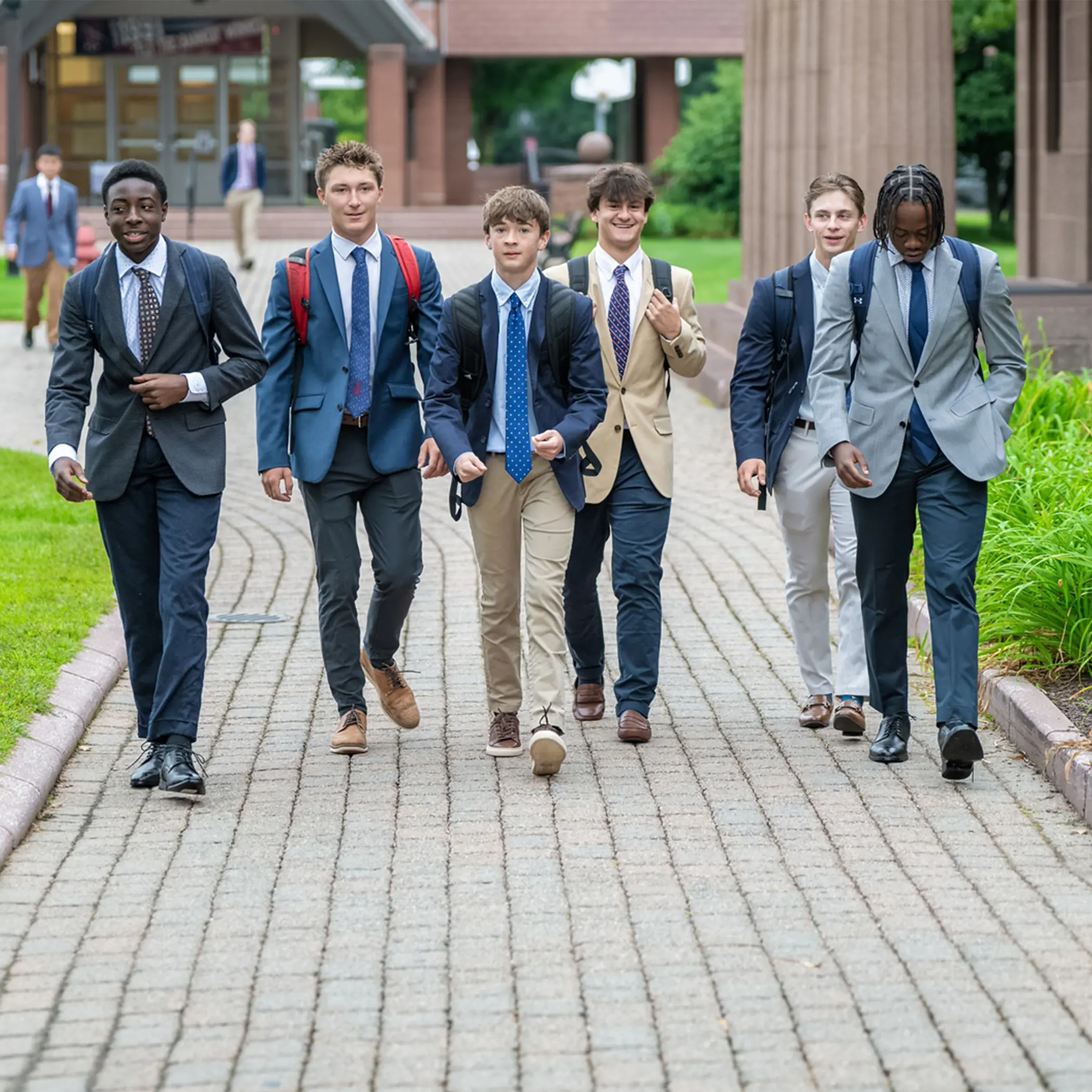
Why the Grass is Greener at Avon
Don't walk on the grass! One of Avon's most unique school rules and the valuable life lessons it can teach.
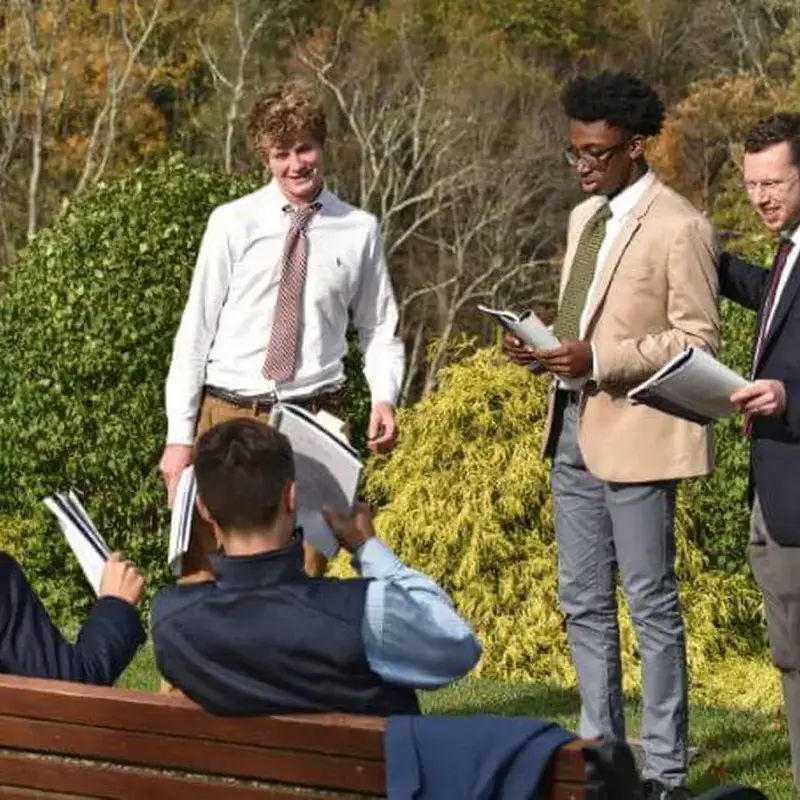
Redefining the "Three Rs" of Education
When I was in school, if asked what they “Three Rs” were, I would have rightly said they stood for “Reading, wRiting, and aRithmetic.”

Never Forget: AOF Remembrance of September 11th
On the anniversary of 9/11, we pledge again to never forget that day and those that were lost.

The Intentional Architecture of Avon Old Farms Captured Through a Student’s Lens
Students in Tiziana Rozzo's digital photography class took on a photojournalism project that tasked them with telling a story through images. In this particular project, Cal Moody ’27 wrote about and photographed the school's famous architecture.